
 Posted by
One of the perks of working with entrepreneurs and startups is the opportunity to meet inspiring people whose stories are worth sharing. A lot of attention goes to the many startups that aim to disrupt established industries.
Meanwhile, countless people are doing amazing things to create less flashy but equally impactful businesses. One of those people is serial entrepreneur Ritz Chu. We recently sat down with him to talk about his not-so-straightforward journey to finding his purpose and career.
Ritz, you run your family’s agriculture business by day while establishing a premium pet products business and bringing solar lighting to the Philippines by night. Tell us a bit about how you got to where you are today.
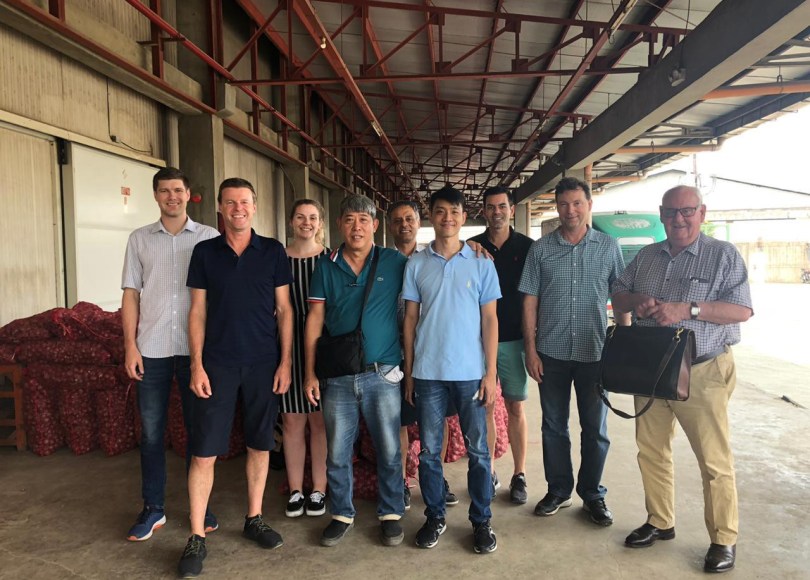
I studied Management Engineering at the Ateneo de Manila University and had some corporate offers. But right around the time I graduated, I had to help out at our family business. We distribute agricultural products such as onions. I had to pick things up quickly and learned a lot about engineering, refrigeration, and the science behind agriculture while trying to add value immediately, any way I could.
About two years in, I received an invite from the CEO of San Miguel Corporation, which is one of the largest conglomerates in the Philippines to join Philippine Airlines. They had just acquired management control over the company. I was excited about the opportunity, and joined them immediately. I learned about corporate structure and systems from that experience and eventually moved on to business school.
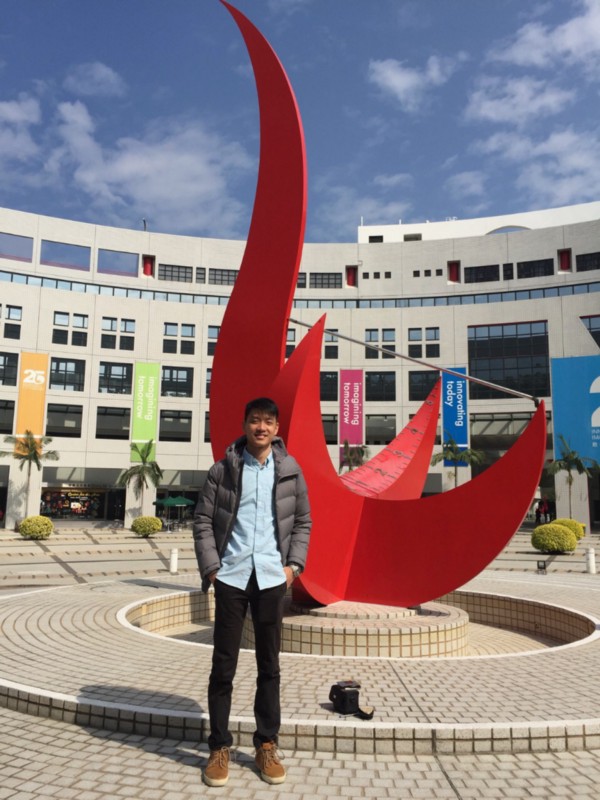
During my time at HKUST, I had high aspirations. I applied to top consulting firms and management development programs and, like most people, had to deal with a lot of rejections. Ultimately, I rejoined the family business. After plenty of fire-fighting, I am now in a position to pursue some passion projects on the side.
What were the key things you learned during your time in Business School?
Consulting was one of the things I was trying to get into, so I studied a lot of cases and practiced with people who had industry experience. That way of structured thinking, framing problems, and breaking them down helps me to this day. I learned a lot from interviews, as well.
One thing I keep coming back to is a comment made by then COO of LumenLab. She spoke about looking for groups that want to be with each other and finding a way to create value for them.
I also started looking at startups in a more structured way, trying to understand how they develop. I draw a lot of motivation from that. It helps me get back up when an idea or business doesn’t pan out.
I would say the best thing I gained from business school was confidence. Confidence that I can learn anything if I put my mind to it.
What motivated you to pursue a corporate career during business school?
I came out of university kind of brainwashed, thinking that I had to get into a big corporation to prove my worth. Maybe part of it was because our family business is in agriculture, which is really tough and not glamorous by any means. Also, your family has known you since you were born and still see you as a kid. Getting them to understand what you are capable of professionally is tough. So, in short, it was pride (laughs).
Tell us more about your literal pet project. How did you get into that?
I was in a live chat group session for an online course with Singularity University. It was about a moonshot idea by a company called Wild Earth that eventually went on Shark Tank and secured funding. The pitch was using biotech to feed pets. I felt that this could be a lucrative space, and I could bring cutting edge products to local pets.
After a while, I pivoted to brands that I feel fit the local market more. I was scouting brands online but struggled to find the right ones to partner with. One of the things I did was to watch videos of all the pet expos on Youtube. I would pause frame by frame to identify companies. Through one of those videos, I came across a great pet shampoo company. I figured out who they were and reached out to them.
The supplier had the same values system as me, so we connected right away. He was very patient and gave me a lot of support while I figured out how to bring the products into the country.
Now everything in order and we will open the first Labsky store in December.
What are some of the challenges you have faced with Labsky?
One of the first challenges I faced was around suppliers. The pet market in the Philippines is quite competitive. Most prominent overseas brands prefer to work with an established player, so it was difficult for newbies like me to convince brands to partner with me. I had to rely on my passion and background to convince my partners that I was a trustworthy and capable person to work with.
Once I found a partner, I realized how regulated this industry is. Regulations are incredibly opaque, and even established brokerage companies are still feeling their way around this industry.
There were many requirements that surprised me. For example, there are very strict rules that ensure a store is pet appropriate. You had to show that the office was professional, so things like TV screens had to be turned off during inspection, and a lab tested all the scents on the products to make sure they were safe. It took me a year and a half to get pet shampoo into the country.
All of this is on top of the regular challenges and decision points you face with any business: storage, marketing, sales channels, etc. As a result, the margins ended up being thinner than expected.
“I enjoy learning a lot, so I’m restless when I don’t do anything.”
How do you find the energy for your “side hustles” while running the family business?
It’s probably a mix of pride to prove to myself that I can still be successful outside the prestige of corporate life. Also, the desire to never have to face difficult situations because of a lack of money. I want to create a limitless future for my family down the line.
I enjoy learning a lot, so I’m restless when I don’t do anything. I also fear regret — the regret you feel when you know, you did not do your best to max out your potential.
How do you approach learning about these new opportunities? Do you have a structured approach, or do you dive right in?
It usually starts with some sort of inspiration. I started this entrepreneurial journey after reading Jack Ma’s biography. I was shocked that creating a business meant just starting. Anyone could start, so I figured I’ll try it out and see if I can do something meaningful.
Most of the learning at the beginning is just around hypotheticals I create in my mind and simulating if these things can work. I get very excited after I do these simulations, and I need to execute to see how it will work at the start before doing in-depth research. Then I start reading up usually after I start the business.
At that point, I follow Facebook groups, join live chat streams of people interested in the same topics, and researched award-giving bodies of the best products in those industries. That’s usually my first approach. Then I dive deep into the more relevant areas depending on what challenges arise during the life of the side hustle.
“Not everyone gets dealt a royal flush, and I will do fine if I play my own cards right.”
A lot of people are drawn to startups that try to be disruptive while you’re plugging away, creating solid businesses. Do you ever get frustrated that what you are doing is not perceived as “sexy”?
I do! In my downtime, I do coffee chats with friends who have startups. They often invite me to join business plan competitions because I have some parked ideas I can’t execute on for lack of time or a team. I get frustrated because I could be doing something more sexy or mainstream and make a bigger impact on society.
But I keep going back to Warren Buffett and his investments in “boring” businesses. I just tell myself that not everyone gets dealt a royal flush, and I will do fine if I play my own cards right.
You mentioned Musk and Buffett. Who else do you draw inspiration from?
There isn’t one specific person that I model myself after. I believe in continuous self-improvement and try to borrow bits and pieces from different people. Whether they’re global or local personalities or people that I went to business school with, even including fictional characters as I believe lessons can be learned from anyone. Someone might have impressive gravitas, while others maintain positivity at all times or are just very practical. Personalities like Kobe Bryant, who approach their craft with intense passion, have definitely had a significant impact on me growing.
My parents are strong inspirations, as well. They maintain their values and continuously extend help to others despite being in very difficult situations. That includes people who have done them wrong. I think that is where I get some strength when the challenges I face seem insurmountable.
“As long as you’re maxing out your potential, it doesn’t matter what area you do it in.”
Do you have any advice for people who are trying to figure which path to take with their careers?
I think a lot of people get caught up in the same things I did, focusing on “sexy” industries. My learning from what I’ve done so far is just getting to the next ‘play’ and maximize what you have. Just start, move to the next task, and in each one, apply yourself wholeheartedly. Whether that’s maxing out your intellect and good resume to get into a good corporate career or a network, your parents or friends have. It’s about taking advantage of an opportunity.
As long as you’re maxing out your potential, it doesn’t matter what area you do it in. The fulfillment will come with it. I believe that as long as you apply yourself with all your might, everything will fall into place.
How about people who choose to go down the small business route?
I guess the short version is “don’t waste time trying to do everything on your own.” I only started leveraging my connections when I got into solar lamps. Before that, I wasted a lot of time forcing my way through.
I should have focused on adjacent businesses to generate cash first then have the confidence to invest in something else. It’s easier to make sensible business decisions if you have a buffer of money in the bank. Whether through salary or income from other businesses.
Look at your network, what resources you can leverage to generate income. Then start there, so you get enough momentum to do something meaningful.
This interview was conducted and edited by Jared Uichico and Nico Eggert in November 2019 and first appeared on Medium.com
 Nico Eggert